How Many Galaxies Are There in the Universe? A Journey into the Mysteries of the Cosmos
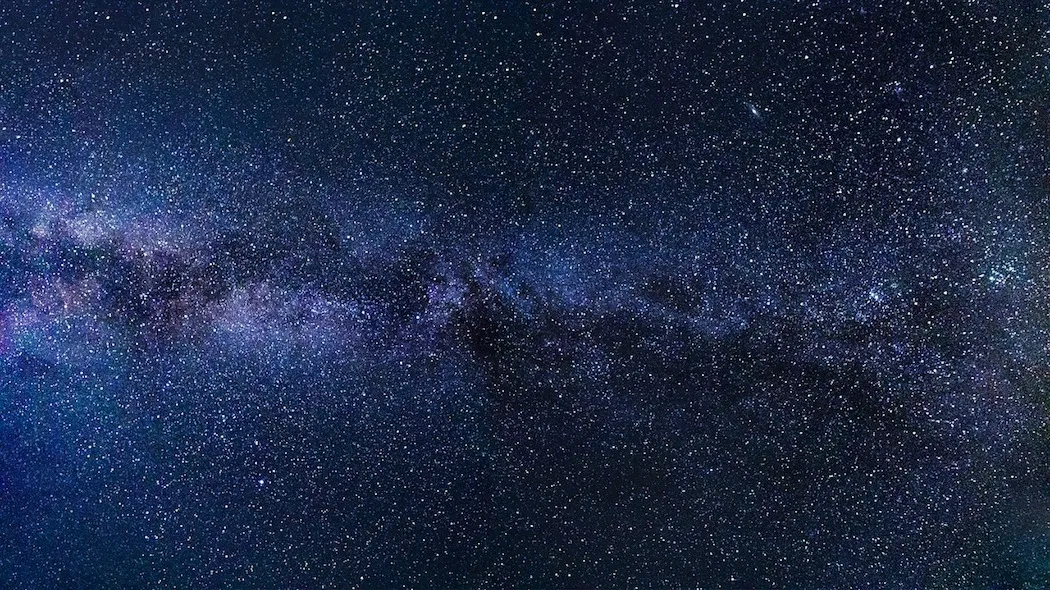
When we gaze at the night sky, especially on summer nights, we see a faint glowing band stretching across the heavens: the Milky Way, our home galaxy. A colossal system of about 200 billion stars, including our Sun. And yet, it’s just one among countless galaxies scattered across the cosmos. The natural question is: how many galaxies exist in the Universe?
🌌 Galaxies were first recognized when telescopes began to peer deeper into space. Since then, they’ve revealed themselves as true “island universes”—vast collections of stars, gas, dust, and dark matter bound together by gravity. They are incredibly ancient, born soon after the Big Bang, yet the exact way they formed and took on their diverse shapes remains a mystery.
🔭 But the Universe is not chaotic: galaxies cluster together into massive cosmic structures, while cosmic expansion continues to drive them apart. Some, known as active galaxies, unleash staggering amounts of energy and often conceal supermassive black holes at their centers. Studying them is one of the most thrilling frontiers of modern astrophysics.
Astronomers—both professional and amateur—use instruments like photometers and CCD sensors to measure starlight and calculate distance and energy. Step by step, this allows us to build a map of the Universe.
💫 And the number of galaxies? Estimates have evolved dramatically. In the early 2000s, astronomers spoke of about 200 billion galaxies. But in 2016, an analysis of Hubble Space Telescope data by the University of Nottingham revealed that the number could be at least ten times greater: up to 2 trillion galaxies in the observable Universe.
🚀 And the surprises keep coming. In 2022, the James Webb Space Telescope captured the deepest and sharpest image of the distant Universe ever taken, opening an unprecedented window onto the first galaxies and bringing us closer to understanding the grand story of the cosmos.