A remarkable medical case from Germany is drawing global attention after a 47-year-old woman with three severe autoimmune diseases achieved complete remission following an experimental treatment known as CAR-T therapy. This cutting-edge approach, originally developed for cancer treatment, appears to have “reset” her immune system—offering new hope for patients with complex autoimmune conditions.
A Decade of Severe Illness
For over ten years, the patient battled multiple life-threatening autoimmune disorders:
- Autoimmune Hemolytic Anemia (AIHA): A rare condition where the immune system destroys red blood cells
- Antiphospholipid Syndrome (APLAS): Causes abnormal blood clotting
- Immune Thrombocytopenia (ITP): Leads to dangerously low platelet levels
Her condition was so severe that she required daily blood transfusions and continuous anticoagulant therapy to prevent blood clots. Despite trying nine different treatments, none provided lasting relief.
What Is CAR-T Therapy and How Does It Work?
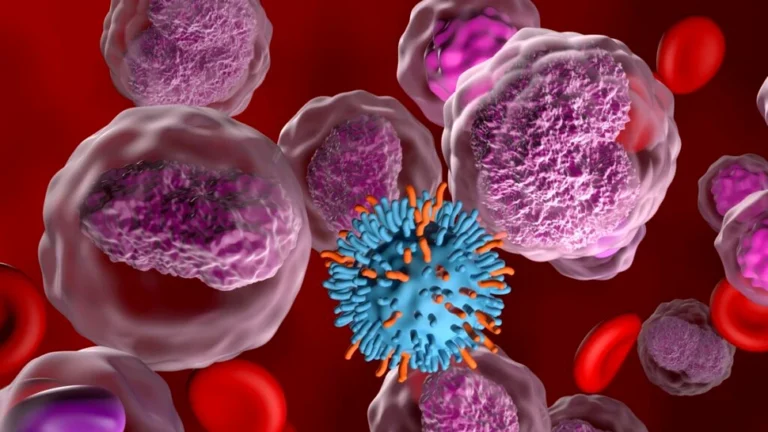
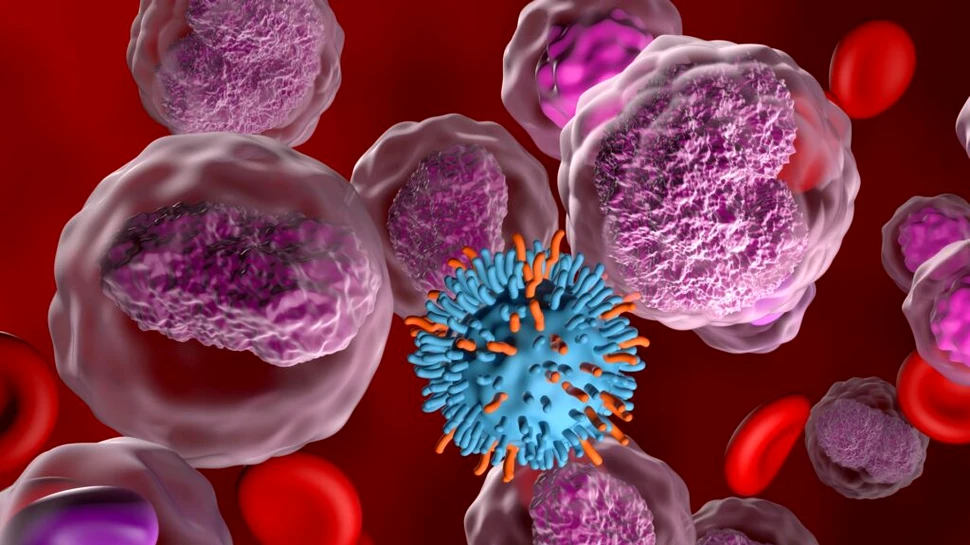
CAR-T therapy (Chimeric Antigen Receptor T-cell therapy) is a highly advanced medical treatment that modifies a patient’s own immune cells to fight disease more effectively.
Here’s how it works:
- Extraction: Doctors collect T cells from the patient’s blood
- Genetic Modification: These cells are engineered in a lab to target a specific protein (in this case, CD19 on B cells)
- Reinfusion: The modified cells are reintroduced into the body
- Targeted Attack: The engineered T cells eliminate harmful immune cells
In this patient’s case, the therapy targeted malfunctioning B cells, which were responsible for producing harmful antibodies attacking her own body.
Rapid and Remarkable Recovery
The results were nothing short of extraordinary:
- Day 7: No longer needed blood transfusions
- Day 10: Discharged from hospital with rapidly improving strength
- Day 25: Full remission confirmed through lab tests
Her blood values normalized quickly:
- Hemoglobin levels stabilized
- Platelet counts returned to normal
- Harmful antibodies became undetectable
After 322 days, B cells began to reappear—but crucially, they were “naive” cells, meaning they no longer attacked healthy tissues.
Even more impressive, she was able to stop anticoagulant therapy without experiencing new blood clots.
A True “Reset” of the Immune System
Researchers believe that CAR-T therapy effectively rebooted the patient’s immune system. By eliminating the defective B cells and allowing new, healthy ones to develop, the treatment removed the root cause of her diseases rather than just managing symptoms.
According to hematologist Fabian Müller from the University Hospital Erlangen:
“After more than a decade of illness, the patient is now in remission without treatment and can live an almost normal life.”
Implications for the Future of Autoimmune Disease Treatment
Although this is a single case, it builds on previous successful uses of CAR-T therapy in autoimmune diseases like lupus. The implications are profound:
- Potential to treat multiple autoimmune diseases simultaneously
- Reduced need for lifelong medication
- Prevention of long-term organ damage
- Improved quality of life for patients
Researchers emphasize that larger clinical trials are needed to confirm these findings, but the early results are highly promising.
Could CAR-T Therapy Become a Standard Treatment?
Experts suggest that using CAR-T therapy earlier in the disease progression could prevent years of ineffective treatment and serious complications.
If validated through further studies, this approach could mark a paradigm shift in how autoimmune diseases are treated—moving from symptom management to actual immune system reprogramming.
Conclusion
This groundbreaking case highlights the transformative potential of CAR-T therapy beyond cancer treatment. By successfully inducing remission in a patient with three severe autoimmune diseases, it opens the door to a future where the immune system can be precisely engineered to heal rather than harm.
While more research is needed, one thing is clear: CAR-T therapy is redefining what’s possible in modern medicine.