The Digital Euro: A Turning Point Is Near
The European Union is fast-tracking the project: a political agreement could arrive soon. On the table are the most delicate issues: the maximum amount of digital euros citizens and businesses will be allowed to hold, the benefits for consumers, and the inevitable slowdowns in the European Parliament.
Brussels pushes for 2026
In the coming days, a historic decision on the digital euro could be made. The European Central Bank has been pressing for months to establish a legislative framework by 2026, and now the project has become a priority for the Eurogroup. It will be discussed on September 19 in Copenhagen, during the joint meeting of the finance ministers and the Ecofin under the Danish presidency. The goal: to finalize negotiations by the end of the year.
What is the digital euro?
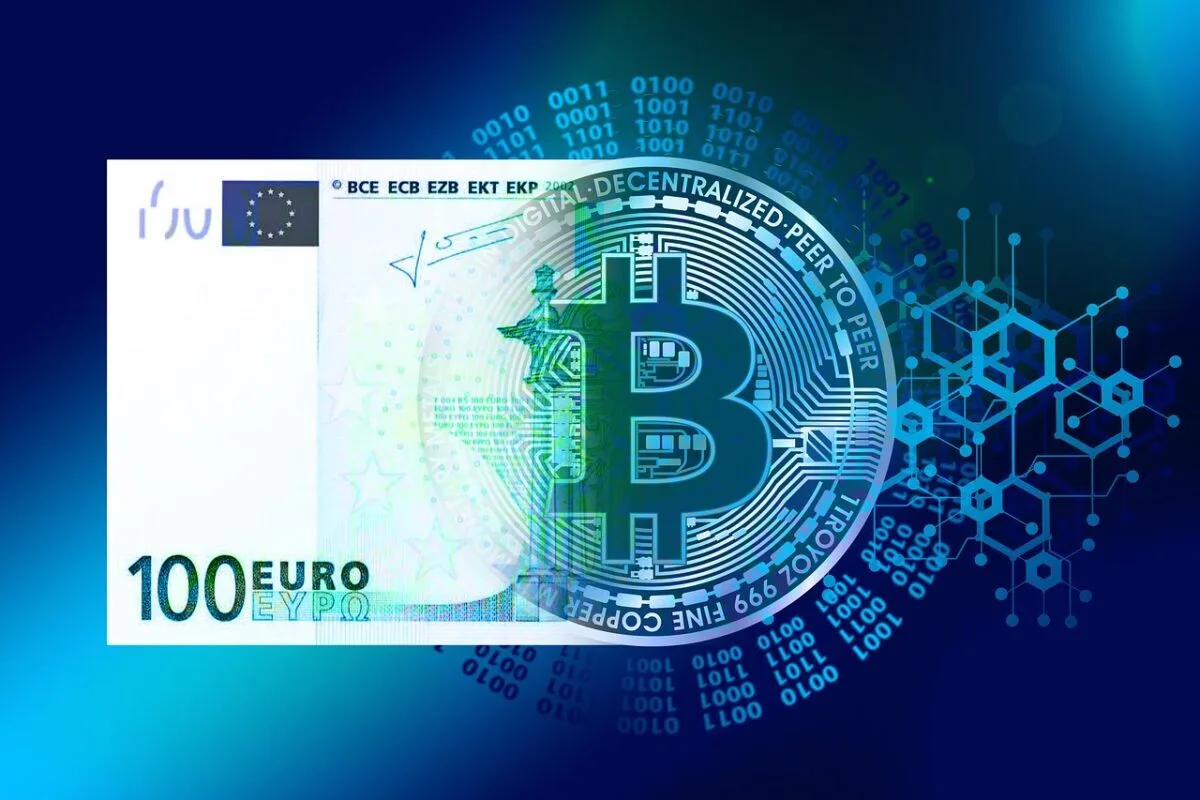
It’s the electronic version of cash, guaranteed by the ECB, designed to complement—not replace—banknotes and coins. A safe and free payment method, usable anywhere in the Eurozone, even offline. The Bank of Italy explains it with a metaphor: “Like a photo on a digital frame compared to its print: the medium changes, but the content remains the same.”
The issue of limits
One of the most debated points is the maximum amount of digital euros each person will be allowed to store in their wallet. This cap is meant to prevent savings from being massively shifted from bank accounts to digital euros, which could destabilize the financial system.
Banks remain central
At an ABI conference, ECB Executive Board member Piero Cipollone reassured the sector: banks will keep a fundamental role in intermediation and will be compensated for their services. Unlike traditional deposits, however, digital euros will not accrue interest.
Benefits and challenges
A digital euro would make payments more resilient, even in times of crisis or network outages, reducing Europe’s dependence on giants like Visa and Mastercard, which currently handle 65% of digital transactions. But political hurdles remain: the European Parliament is moving slowly, and some MEPs have voiced doubts, despite Christine Lagarde’s call to speed up the process.