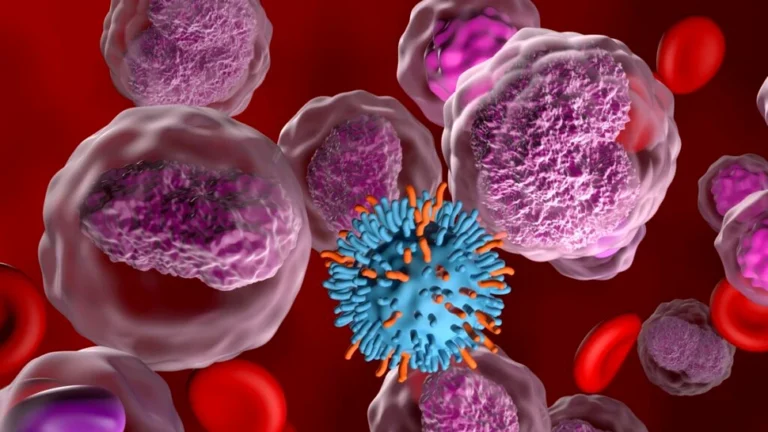
New Research Reveals How Red Blood Cells Help Control Blood Sugar
A surprising new scientific discovery suggests that living at high altitude may significantly reduce the risk of developing diabetes. Researchers have long observed that populations living in mountainous regions tend to have lower rates of diabetes, but until now the biological reason behind this phenomenon remained unclear.
A recent study conducted in the United States has uncovered a potential explanation. The research indicates that red blood cells can absorb more glucose from the bloodstream when oxygen levels are low, effectively helping regulate blood sugar levels.
The findings were published in the prestigious journal Cell Metabolism and could open the door to entirely new treatments for diabetes in the future.
How High Altitude Affects the Body
At high altitudes, the air contains less oxygen, creating a condition known as hypoxia. The human body must adapt to survive in this environment, triggering several physiological changes.
Scientists studying mice with type 1 and type 2 diabetes discovered that when the animals were exposed to low-oxygen environments, something remarkable happened:
- Their blood glucose levels dropped significantly.
- The body began processing sugar differently.
- Red blood cells started absorbing much more glucose from the bloodstream.
In fact, researchers observed that glucose absorption increased by nearly three times compared to normal conditions.
This process allows red blood cells to function more efficiently when oxygen is scarce, while at the same time helping to reduce blood sugar levels.
Red Blood Cells: More Than Oxygen Carriers
For decades, scientists believed that the main role of red blood cells was simply to transport oxygen throughout the body.
However, this new research suggests they may also play a critical role in regulating metabolism and blood sugar levels.
“Red blood cells represent a hidden compartment of glucose metabolism that has not been considered until now,” said biochemist Isha Jain from the Gladstone Institutes.
According to Jain, this discovery could lead researchers to rethink how the body controls blood sugar.
A Surprising Discovery in the Study
During the experiment, scientists noticed that sugar injected into diabetic mice disappeared from the bloodstream almost immediately.
At first, researchers expected the glucose to be stored in organs such as:
- the liver
- the muscles
- the brain
But surprisingly, this was not the case.
Using advanced imaging technologies, scientists discovered that red blood cells were absorbing the glucose instead.
Even more interesting, this effect continued for several weeks after the mice returned to normal oxygen levels, suggesting that the body retains metabolic adaptations even after leaving high-altitude conditions.
Potential New Treatments for Diabetes
To explore the medical potential of their findings, researchers gave diabetic mice an experimental drug designed to mimic the metabolic effects of high-altitude living.
The results were promising:
- Blood sugar levels dropped significantly
- Glucose regulation improved
- The animals showed metabolic changes similar to those living at high altitude
Scientists believe this mechanism could eventually inspire new medications capable of preventing or even reversing diabetes.
“What surprised me the most was the magnitude of the effect,” said biochemist Angelo D’Alessandro from the University of Colorado.
He explained that red blood cells may actually account for a significant portion of the body’s total glucose consumption, particularly in low-oxygen environments.
Why This Discovery Matters
Diabetes is one of the fastest-growing health problems in the world, affecting hundreds of millions of people.
Understanding how the body naturally regulates blood sugar could help scientists develop safer and more effective treatments.
Although the research is still in its early stages, experts believe the discovery may eventually lead to:
- new diabetes medications
- improved metabolic therapies
- better understanding of glucose metabolism
“This is just the beginning,” Jain said. “There is still much to learn about how the body adapts to changes in oxygen levels and how we can use these mechanisms to treat disease.”