For over two thousand years, a single, mysterious remedy sat at the crossroads of medicine, myth, and magic. From Roman emperors to medieval apothecaries, and even ordinary citizens across Europe and the Near East, theriac—a dark, sticky concoction of vipers, spices, and opium—was hailed as the ultimate antidote. It promised protection from plague, poison, and pain. A panacea in a jar.
Now, in a story that bridges ancient secrets and modern science, a team of Polish researchers has resurrected this forgotten remedy, using a 17th-century recipe to unlock the truths hidden in its bizarre and complex ingredients.
A Medicine Born in Fear, Perfected in Power
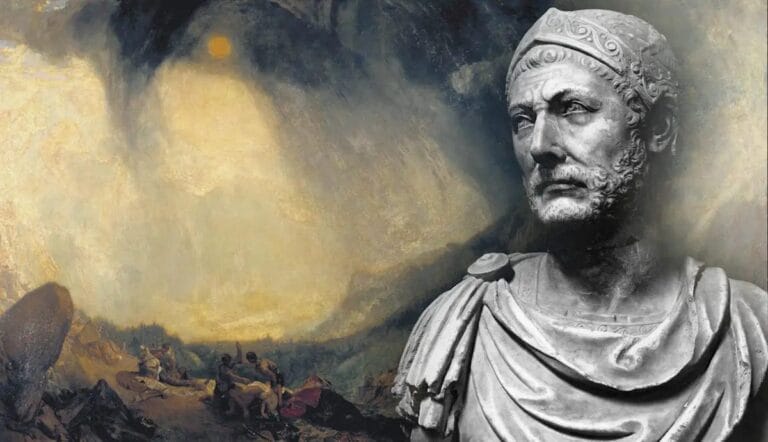
Theriac’s origins stretch back to the ancient world, where fear of poison shaped kings and empires. The story begins with King Mithridates VI of Pontus (135–63 BC)—a paranoid ruler who, terrified of assassination, took daily microdoses of toxins and created a personal antidote made from 54 exotic ingredients. His formula, known as mithridatium, was said to make him immune to virtually all poisons.
When Roman general Pompey conquered Mithridates, the recipe fell into Roman hands. Greek physicians like Galen and Pliny the Elder later refined it, giving rise to theriac—from the Greek thēriakē, meaning “antidote.”
By the 2nd century AD, Galen had prepared a more elaborate version of theriac for Emperor Marcus Aurelius, swelling the ingredient list to over 60. It became not only a medicine, but a symbol of power, wisdom, and divine protection—fermented over months into a tar-like paste containing everything from cinnamon and saffron to roasted vipers.
A Spectacle of Healing in 17th-Century PolandThough theriac spread widely through the ancient world, it found an unlikely sanctuary in 17th-century Poland, where pharmacies in cities like Kraków and Gdańsk became famous for preparing it. These weren’t quiet laboratory affairs—theriac preparation was a public spectacle. Crowds gathered to watch master pharmacists grind herbs, distill opium, and boil snake flesh in wine.
Why Poland? The answer lies in the chaos of the time. With plagues, wars, and political intrigue threatening life and limb, theriac offered more than just medicine—it offered psychological security. It became a staple at royal courts, and a 1612 medical manual described it as nothing less than “a shield against the arrows of Death.”
Resurrecting a Medical Legend
In 2021, a bold initiative began at the University of Wrocław, where Assistant Professor Jakub Węglorz and his team set out to recreate theriac using a 400-year-old Latin recipe. Their mission wasn’t just to test its effectiveness—it was to understand a forgotten worldview, one where healing was both science and ceremony.
They spent years sourcing the 61 ingredients—collaborating with herpetologists to ethically obtain viper meat, drying it, and preparing it as ancient pharmacists once did. Węglorz even drove across Poland collecting roadkill vipers to stay true to the method without harming animals.
What’s in the Cure-All?The recreated theriac is a strange fusion of science and sorcery:
- Viper meat – once believed to strengthen immunity, possibly with anti-inflammatory proteins
- Opium – a potent painkiller, commonly used in Islamic medicine
- Bread & wine – fermented bases, possibly with probiotic and solvent roles
- Spices – cinnamon, saffron, black pepper: antimicrobial and aromatic
- Honey – both preservative and sweetener
Stored in clay pots for up to a decade, theriac was administered as pills or syrups. But was it truly effective?
Medicine or Myth?
Early results, published in the Journal of Ethnopharmacology, are surprising. Components like saffron and cinnamon exhibited antibacterial properties, suggesting a real medical basis for wound care. Opium’s pain relief effects were well-documented, and the elaborate ritual of making and administering theriac may have amplified its placebo effect—a crucial boost in times when hope was often the best medicine.
But theriac also had a dark side. Some historical recipes included toxic ingredients like mercury and arsenic. As Adrienne Mayor of Stanford University notes, the line between antidote and poison was thin: “It’s all in the dosage.” Mithridates himself, ironically, died by suicide after poisoning his daughters—his theriac couldn’t save them.
The Fall of Theriac—and Its Lingering Legacy
By the 18th century, theriac’s reign ended. With the rise of empirical science, figures like Edward Jenner—who created the first smallpox vaccine—began isolating active ingredients and proving efficacy. In 1788, the British Pharmacopoeia declared theriac obsolete: “a relic of superstition.”
Yet the influence lingers. Jenner’s early vaccine work drew inspiration from theriac-like mixtures, and the concept of polypharmacy—using multiple compounds for a single treatment—remains central in modern medicine. Herbalists today even cite theriac as a forerunner of integrative and holistic healing.
More Than a Cure—A Symbol of the Human Spirit
Theriac wasn’t just a medicine; it was a manifestation of humanity’s eternal quest for safety in an unpredictable world. People didn’t just believe in theriac for its ingredients—they believed in what it represented: hope, control, and the possibility of protection when all else failed.
Now, thanks to the work of modern historians and scientists, this ancient elixir rises again—not as a miracle cure, but as a window into our past and a reflection of our enduring need to believe in the power of healing.