Paracetamol During Pregnancy and Autism: What Experts Really Say
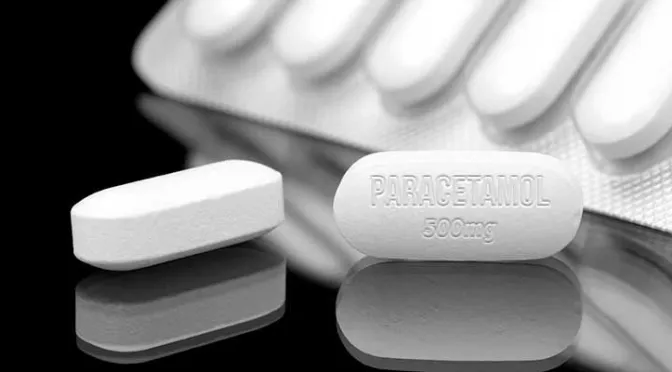
No reason to panic, scientists stress. Despite sensational claims and renewed public concern, there is no new evidence linking paracetamol (acetaminophen) use during pregnancy to autism or other neurodevelopmental disorders. Global health authorities, including the European Medicines Agency (EMA), continue to recommend paracetamol as the safest and most effective pain reliever for pregnant women — provided it’s taken only when needed, at the lowest effective dose, and for the shortest possible time.
Paracetamol in Pregnancy – A Trusted Medicine Under Scrutiny
Paracetamol, known as acetaminophen in the United States, is one of the most widely used medications worldwide. It is taken by millions every day to reduce fever and relieve mild to moderate pain — from headaches and colds to muscle aches and pregnancy-related discomfort. But in recent weeks, it has been thrust into the spotlight after U.S. officials suggested a potential connection between its use during pregnancy and an increased risk of autism in children.
The remarks — including controversial statements from former U.S. President Donald Trump, who called for pregnant women to “fight against being prescribed it” — have reignited a heated debate. But scientists say these claims are not backed by credible evidence.
The Scientific Consensus: No Proven Link
The EMA has reaffirmed its position: current data do not support an increased risk of birth defects or neurodevelopmental issues, including autism, associated with paracetamol use during pregnancy. A major 2019 review of all available studies concluded that the evidence for any such link was “inconclusive and insufficient.”
More recently, a large Swedish study published in JAMA in 2024 echoed these findings, showing no association between prenatal paracetamol exposure and autism, ADHD, or cognitive impairments in children. The study accounted for important genetic and family-related factors, strengthening confidence in its conclusions.
Paracetamol in Pregnancy – Where the Concerns Come From
Concerns about paracetamol’s safety during pregnancy are not new. Over the past decade, some researchers have urged caution based on preliminary laboratory data and observational studies. One influential paper, published in Nature Reviews Endocrinology in 2021 and signed by nearly 100 scientists, suggested that expectant mothers should be “informed of possible risks.”
These warnings were based on evidence indicating that paracetamol might influence fetal development under certain conditions. A 2015 study from Denmark, for example, reported a potential association between maternal paracetamol use and autism risk. However, such studies often suffer from major limitations — including small sample sizes, inconsistent methodologies, and the inability to prove cause and effect.
Context Matters: The Bigger Picture on Autism
A 2025 systematic review in Environmental Health, which analyzed about 40 studies, again raised the possibility of a link. But experts emphasize that these findings do not establish causation. In many cases, the underlying conditions prompting the use of paracetamol — such as infections, high fever, or inflammation — could themselves be risk factors for neurodevelopmental issues.
Moreover, autism is a complex condition shaped by a combination of genetic and environmental factors. Advanced parental age, exposure to air pollution, complications during birth, and many other influences contribute to risk. None of these factors, including paracetamol, has been proven to cause autism on its own.
Paracetamol in Pregnancy – The Bottom Line
Health authorities remain united in their advice: paracetamol remains the first-choice painkiller for pregnant women, especially when compared with alternatives such as aspirin or ibuprofen, which are not recommended beyond 20 weeks of pregnancy and are contraindicated in the third trimester.
While continued research is essential, experts caution against alarmist interpretations. “It would be comforting to believe there’s a single cause for conditions like autism,” one researcher noted. “But science tells us the truth is far more complicated.”
For now, the message is clear: used responsibly and under medical guidance, paracetamol is still considered safe during pregnancy — and there is no solid evidence to suggest otherwise.