Signs of Ancient Life? Perseverance Rover Uncovers a Chemical Treasure in Mars’ Bright Angel Formation
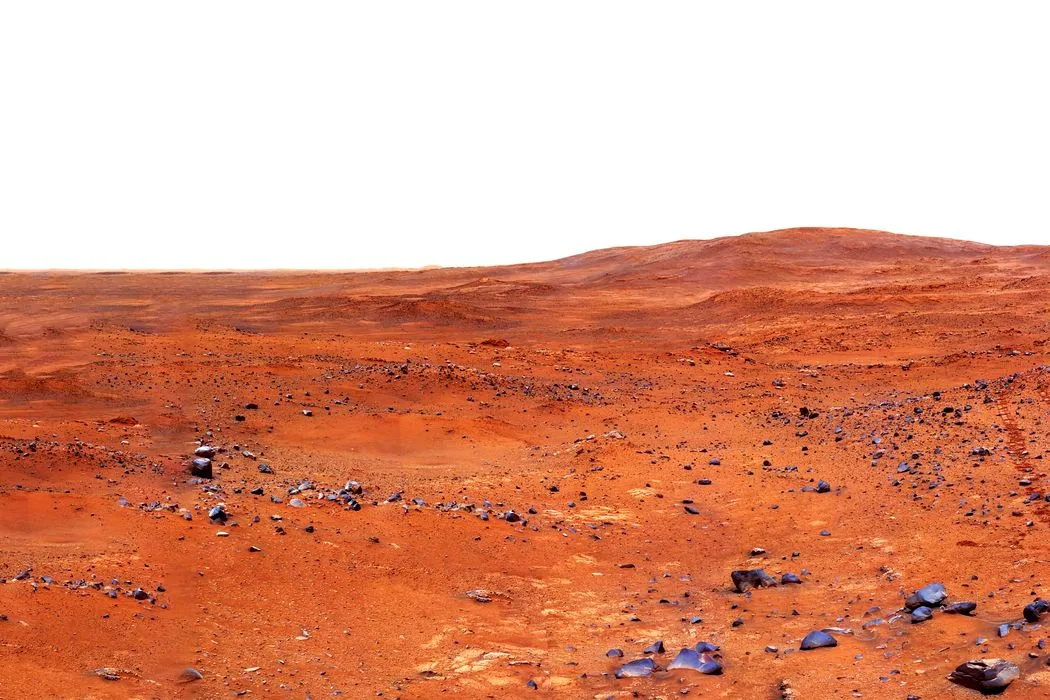
A groundbreaking study has revealed tantalizing chemical signatures that could point to ancient microbial life on Mars. The evidence comes from rocks in Jezero Crater’s Bright Angel Formation—a site named after the Grand Canyon for its pale, layered rocks.
Analyzed by NASA’s Perseverance rover, these fine-grained sediments turned out to be rich in oxidized iron (rust), phosphorus, sulfur, and most intriguingly, organic carbon. While organics have been detected on Mars before—sometimes delivered by meteorites—the unique chemical cocktail found here could have fueled early Martian microorganisms.
“When the rover entered Bright Angel and began measuring the local rocks, the team was immediately surprised by how different they were from anything we had seen before,” said co-author Dr. Michael Tice, a geologist at Texas A&M University.
A Glimpse Into Mars’ Watery Past
The rocks of Bright Angel were laid down by ancient rivers and lakes, creating sedimentary layers much like those on Earth. But what excites scientists most are the chemical cycles locked inside them—processes eerily similar to those exploited by microbes on Earth to harvest energy.
“We saw things that were easy to explain by early Martian life, but very difficult to explain by geology alone,” Tice noted.
Using Perseverance’s instruments, including SHERLOC and PIXL, researchers discovered organic molecules and mineral structures shaped by redox reactions—electron transfers that, on Earth, often trace back to living systems.
Among the most striking finds: microscopic nodules of vivianite (iron phosphate) and greigite (iron sulfide)—minerals typically associated with microbial activity in watery environments.
Organic Matter, Energy Sources… and a Sample Waiting on Mars
SHERLOC detected a strong organic carbon signal in several rocks, especially at a site nicknamed “Apollo Temple,” where vivianite and greigite clustered together.
“This co-localization of organic matter and redox-sensitive minerals is very compelling,” Tice said. “It suggests that organic molecules may have played a role in the chemical reactions that formed these minerals.”
Perseverance has already drilled and sealed a core sample from this site—called “Sapphire Canyon”—making it a top candidate for a future Mars Sample Return mission.
“If we can bring this sample back to Earth, we’ll be able to test it with far more sensitive tools—looking at isotopes, fine-scale mineralogy, even potential microfossils,” Tice explained.
Why It Matters
While the results stop short of proving life once existed on Mars, they build one of the most compelling cases yet. The discovery of organic matter intertwined with energy-rich minerals hints that Jezero Crater could have once hosted microbial ecosystems—and that Mars’ story may be more alive than we imagined.