The Crisis: Why Current Antivenoms Are Failing
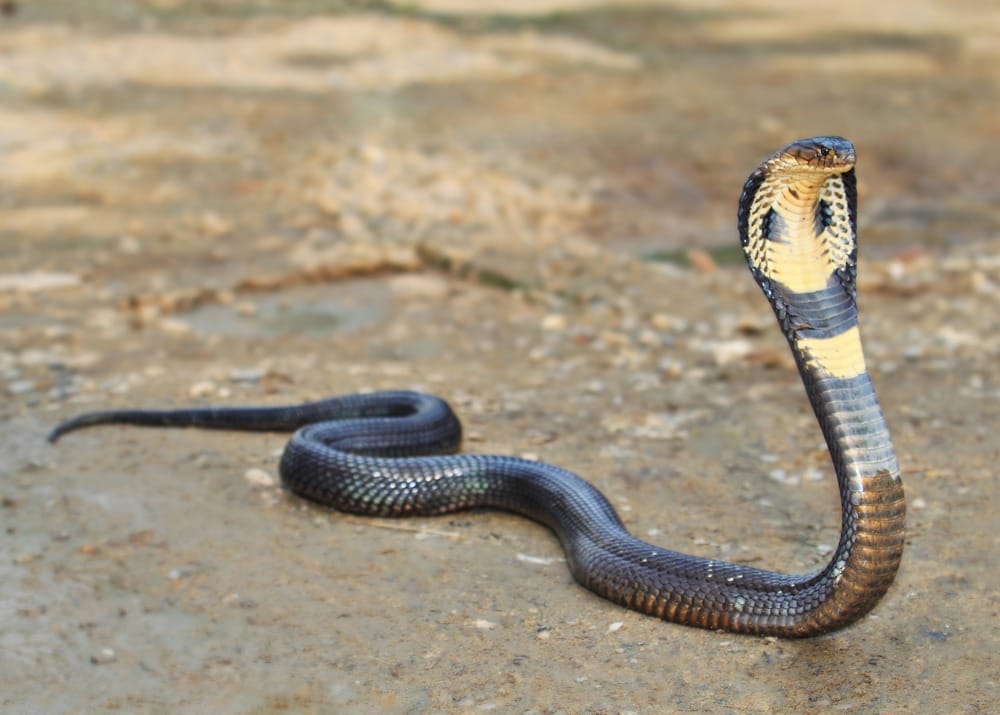
Snakebites are a silent global tragedy, killing over 100,000 people and causing severe maiming to countless others each year. This devastating toll led the World Health Organization (WHO) to classify snakebite envenoming as a neglected tropical disease.
The core problem? Current antivenoms have reached their limit.
- Scarcity and Cost: Standard antivenoms are created by injecting venom into animals (like horses or sheep) and harvesting their antibodies. This process is expensive, driving up the price and severely limiting availability in the rural, low-resource areas where most bites occur.
- Ineffectiveness: These antivenoms are a “mishmash” of antibodies, meaning high doses (up to 10 vials per person!) are often required.
- Danger: They can trigger life-threatening allergic reactions (anaphylactic shock) because of the foreign animal proteins, making medical professionals hesitant to administer them, even when available.
As Dr. Robert Rono from the Kenyan Ministry of Health notes, “In our part of the world, a bite from a black mamba or cobra is almost akin to a death sentence. It’s a very unfair disease that really hits the poorest of the poor.”
A Game Changer from the Lab: Nanobodies
A groundbreaking study, published in the journal Nature, offers a radical solution: a cocktail of lab-synthesized “nanobodies” inspired by llamas and alpacas. This new generation of antivenom promises to be safer, cheaper, and vastly more effective.
How the Nanobody Antivenom Works
- Llama Power: Researchers, led by Andreas Laustsen-Kiel at the Technical University of Denmark, injected llamas and alpacas with venom from 18 African snake species.
- Unique Antibodies: Llama and alpaca antibodies are unique—they are smaller and simpler than human or horse antibodies. Scientists isolated the tiny, single-chain fragments called nanobodies.
- Mass Production: By transferring the nanobodies’ DNA into E. coli bacterial cells, the team can mass-produce these potent fragments in vitro (in the lab), bypassing the expensive and complex need for live animals.
- Targeted Cocktail: The researchers screened and selected just eight nanobodies that, when combined, could effectively inactivate the toxins of 17 out of 18 deadly African snakes, including mambas and cobras.
Unprecedented Performance and Potential
In mouse trials, the nanobody cocktail demonstrated superior performance compared to the best current antivenom (Inoserp PAN-AFRICA):
- Broader Protection: It saved more mice and prevented more tissue damage. The smaller size of the nanobodies may allow them to penetrate deeper into tissues to reach the wound site more effectively.
- Safety & Accessibility: Crucially, because these isolated nanobodies lack the animal-specific sections, they are expected to eliminate the risk of anaphylactic shock. This would give rural medical staff the confidence to administer the treatment immediately, saving lives and limbs.
- Cost Efficiency: Lab synthesis is predicted to be significantly cheaper than animal harvesting, slashing costs and improving global access.
“It’s a potential game changer if all goes well,” says Dr. Rono.
The team estimates they are about 3 years away from being ready for crucial human clinical trials. If this technology succeeds, it could fundamentally transform global health efforts against snakebite envenoming.
Source: www.science.org