A groundbreaking scientific discovery may reshape our understanding of how aging works. Researchers have identified a special type of immune cell capable of slowing biological aging, controlling senescence, and reducing inflammation-related damage — one of the fundamental drivers of age-related decline.
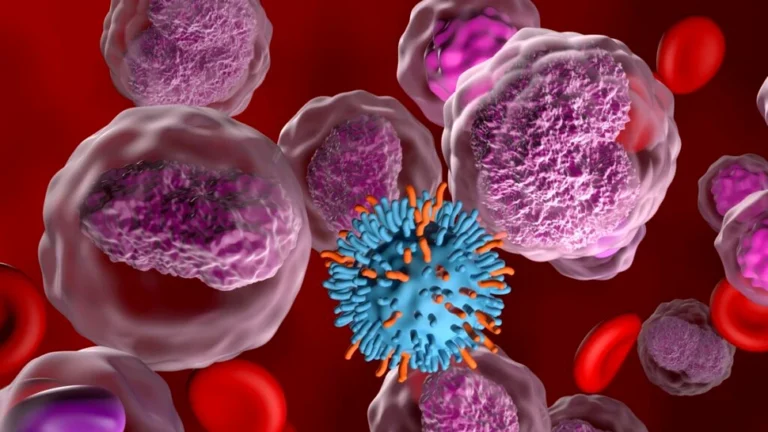
These cells are a transformed form of CD4 T cells, which, under specific conditions, turn into a powerful anti-aging variant known as CD4-Eomes.
For the first time, scientists have demonstrated a direct molecular link between these cells and the aging process, revealing that the immune system is not just a defender against infections — it is also a key regulator of our biological clock.
The study was published in Nature Aging.
How CD4-Eomes Work: The Immune Cells That Fight Aging
What the researchers found is astonishing: when the body detects the presence of senescent cells — the notorious “zombie cells” — a specific subset of CD4 T cells undergoes a transformation into CD4-Eomes, a more aggressive, protective form.
These newly formed cells produce a protein called Eomesodermin, which equips them with the ability to:
- identify damaged, aging cells
- attack them
- prevent them from releasing inflammatory molecules
- slow down tissue degeneration
Until now, scientists did not know why these cells appeared more frequently with age. Now they have the answer: the immune system actively adapts to combat the growing burden of senescent cells.
The Enemy: Senescent Cells, Also Known as “Zombie Cells”
Senescent cells are cells that have stopped dividing but refuse to die.
They remain active in tissues and continuously release inflammatory signals — a phenomenon known as SASP (Senescence-Associated Secretory Phenotype) — which:
- damage surrounding tissues
- accelerate aging
- weaken organs
- contribute to chronic diseases
They are considered one of the main biological engines of the aging process.
And CD4-Eomes cells appear to be designed specifically to neutralize them.
The Two Major Discoveries of the Study
By comparing immune cells in young and old mice, the research team uncovered two key insights:
1️⃣ The transformation into CD4-Eomes is triggered by the presence of senescent cells
The immune system seems to “sense” rising inflammation risk.
More senescent cells = more CD4-Eomes generated as an adaptive response.
2️⃣ Blocking CD4-Eomes causes accelerated aging
In genetically engineered mice incapable of producing CD4-Eomes:
- senescent cells accumulated rapidly
- inflammation increased
- biological aging accelerated
This provides direct evidence that CD4-Eomes actively control cellular senescence.
Anti-Aging Effects Observed in Chronic Diseases Too
The researchers reported similar results in a chronic disease model — liver cirrhosis.
When CD4-Eomes were present:
- liver scarring decreased
- senescent cells dropped
- inflammation was significantly reduced
This is one of the strongest indications ever seen that immune-driven anti-senescence pathways may be harnessed in therapy.
Could We Slow Down Human Aging?
The question is obvious — and for the first time, the science is promising.
According to neuroimmunologist Alon Monsonego, the study challenges one of the biggest myths in longevity research:
“We may not need to ‘reset’ the immune system to a youthful state.
What we need is a system that functions properly at every stage of life.”
This means aging is not simply a degradation process — it is also an adaptive biological response, with the immune system taking on new roles as we grow older.
CD4-Eomes are a perfect example of this evolutionary adaptation.
The Future of Anti-Aging Medicine: Boosting CD4-Eomes
The discovery opens the door to innovative longevity strategies:
✔ therapies that boost CD4-Eomes
✔ drugs that mimic their anti-senescence activity
✔ immune-based anti-aging treatments
✔ new approaches to chronic disease management
But scientists emphasize that more research is needed. Key questions include:
- Do humans exhibit the same CD4-Eomes responses as mice?
- How does genetics influence their activity?
- Can lifestyle or environment enhance these cells naturally?
- Is it possible to stimulate them safely through targeted therapies?
The potential, however, is massive.
Conclusion: A New Era in Longevity Science Begins
For decades, the immune system was seen as a force that weakens with age.
Today, we learn that it can adapt, evolve, and even protect us from aging itself.
The discovery of CD4-Eomes reveals that:
- our immune system may hold the key to longevity
- aging is more controllable than we thought
- new anti-aging treatments could emerge within our lifetime
This breakthrough marks the beginning of a new chapter in the science of aging — one where immunity, senescence, and longevity are deeply interconnected.