The Hidden Secret in Pollen That Could Save the Bees
Something extraordinary is hidden within pollen — and it might become nature’s most powerful weapon to protect bees from infections.
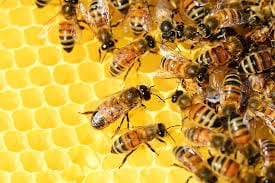
A beehive is like a well-guarded fortress: it stores honey, wax, and pollen, all fiercely defended by its tireless inhabitants. Yet behind the buzzing walls lies a long list of threats: more than 30 parasites — including protozoa, viruses, bacteria, fungi, and arthropods — are always ready to attack. For beekeepers, finding new, eco-friendly solutions is an urgent priority.
And what if the answer had been right before our eyes all along?
A team of American researchers hypothesized that the pollen collected by bees might contain microscopic allies: endophytes, symbiotic bacteria and fungi that live inside plant tissues and may have evolved to protect their pollinators by producing protective compounds.
The results exceeded all expectations.
“We discovered that the same beneficial bacteria present in plant pollen are also found in the pollen stores inside the hive. These microorganisms produce antimicrobial compounds that kill pathogens affecting both bees and plants, making them a promising starting point for new natural treatments,” explains Dr. Daniel May, professor at Washington College and lead author of the study, published in Frontiers in Microbiology.
Pollen as Natural Medicine
Between April and June 2021, the team collected samples from ten native plant species and from a nearby beehive, isolating over thirty strains of actinobacteria. DNA analysis revealed a surprising result: the same species — or their close relatives — were present both in the plants and in the hive.
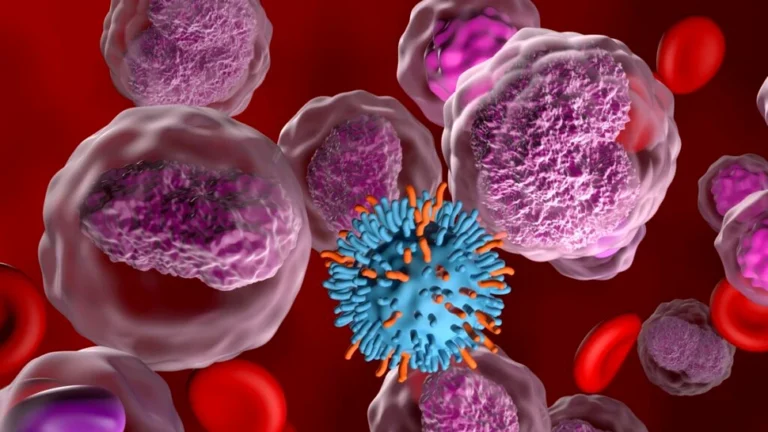
Most of these bacteria belonged to the Streptomyces genus, famous for producing antibiotics and pharmaceuticals. In laboratory tests, nearly all strains proved effective against Aspergillus niger, the fungus responsible for bee aspergillosis. Some even inhibited deadly bacteria such as Paenibacillus larvae and Serratia marcescens, as well as pathogens that affect crops.
Genetic analysis also confirmed that these were true endophytes, equipped with genes that enable them to colonize plant tissues, produce growth hormones, and absorb nutrients from the soil. This suggests that a landscape rich in plant diversity not only supports pollinators but also boosts their natural immune defenses.
“In the future, treating bee diseases might be as simple as introducing the right beneficial bacteria into the hive to help control specific pathogens,” concludes May.
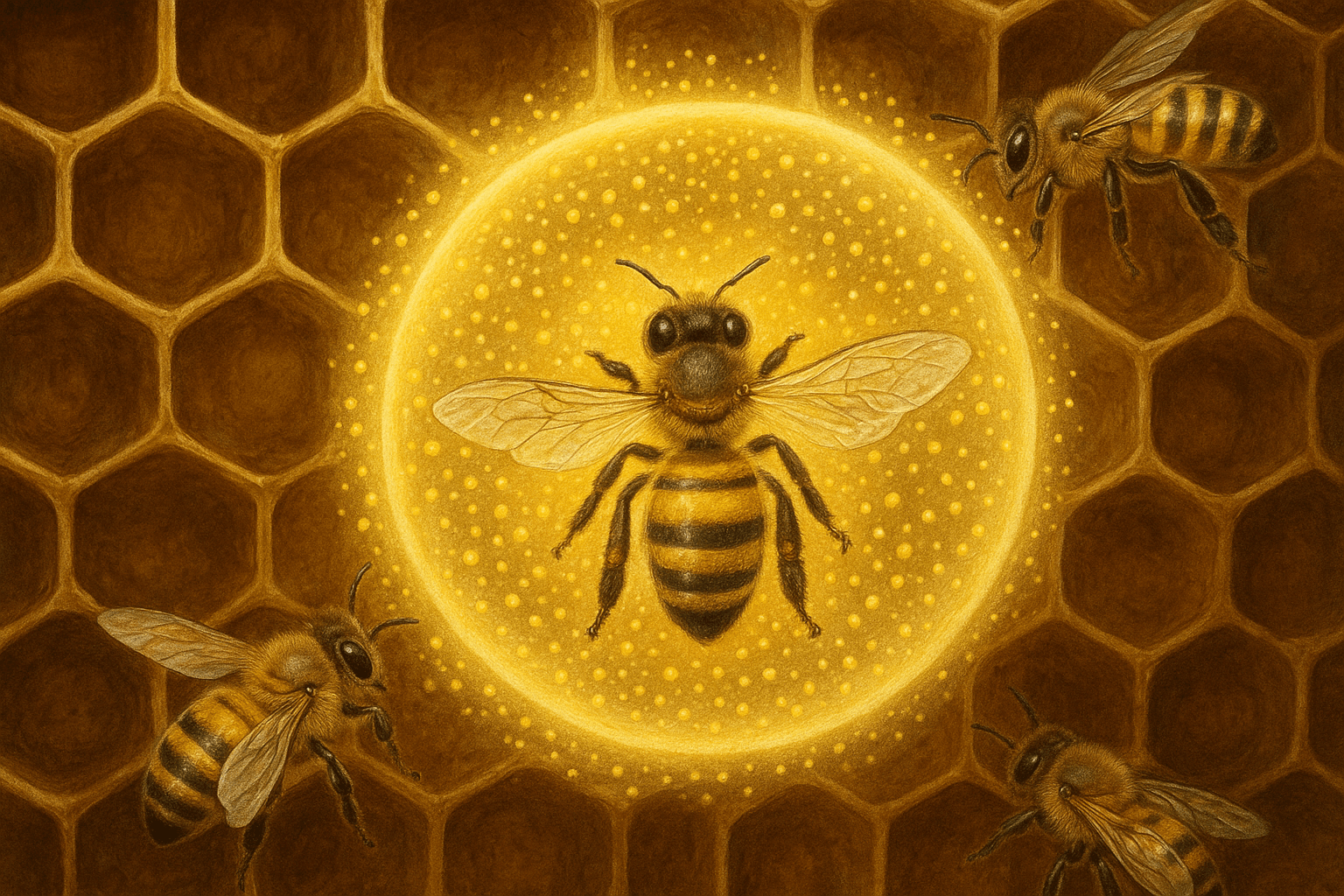
🌼 In short: pollen is not just food for bees. It’s a natural pharmacy — a treasure trove of protective compounds that could revolutionize the way we safeguard these vital pollinators and, with them, the ecosystems that sustain life on Earth.