Tesla’s Billion-Dollar Move: Why Elon Musk Is Betting on the Future Again
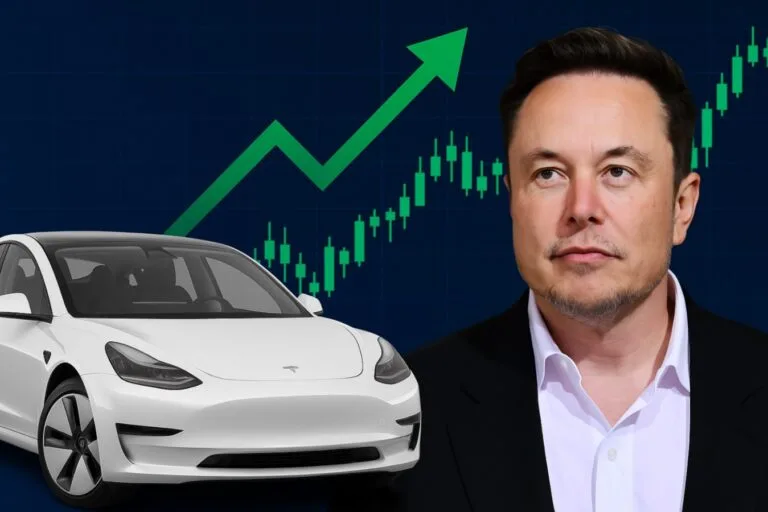
With a $1 billion investment, Elon Musk has reasserted his complete confidence in Tesla. For the first time since 2020, the CEO personally purchased 2.57 million shares at a price between $372 and $396. It was a move that immediately triggered a chain reaction.
The news, disclosed in an SEC filing, sent the stock soaring by 6% in Monday’s trading session, pushing Tesla back above $410 and erasing its year-to-date losses. For analysts, the move is much more than a simple financial investment. “It’s the clearest signal yet that Musk is putting his full self back into the Tesla project,” commented Matt Britzman of Hargreaves Lansdown.
A Two-Speed 2025: The Comeback After the Plunge
After a disastrous first quarter and a plunge in April due to tariffs, Tesla’s stock had hit a low of $221. But from there, a spectacular comeback began: a +85% jump in five months, which has nearly erased the annual losses.
The recovery was fueled by a combination of factors: the board’s proposal of a massive compensation package for Musk, progress in the battery division with the new MegaBlocks, and, most importantly, the entrepreneur’s return to focusing on the core business after months spent on political activities.
Despite the leap forward, Tesla remains one of the worst-performing stocks among the “Magnificent 7” tech group, with only Apple performing worse. The slowdown in electric vehicle sales, strong competition from Chinese brands like BYD, and pressure on margins due to rising costs and price cuts are all signs that the EV market is entering a mature phase.
Robotaxis and AI: The Bet on the Future
To counteract the pressure on the core business, Musk is shifting attention to more futuristic horizons: robotaxis and Optimus humanoid robots. However, for now, full self-driving solutions (FSD 14) and robotics remain promises far from mass commercialization.
Nevertheless, Musk’s charisma continues to keep the narrative of Tesla as a frontier company alive, one that is capable of attracting capital and attention.
More Control and Less Politics
The share purchase also strengthens Musk’s position in the battle for company control. With a stake of around 13%, the CEO aims to reach 25% of the voting rights, a threshold that would allow him to guide Tesla’s strategies without constraints.
Musk’s return to Tesla also coincides with a reduction in his political engagement, a signal that investors are interpreting very positively. As Dan Ives of Wedbush noted, “This is a personal bet that is worth more than any statement.”
Now, the challenge for Tesla and Musk is twofold: to defend their market share in the EV sector and to turn their promises about AI and robotics into concrete products and revenue.