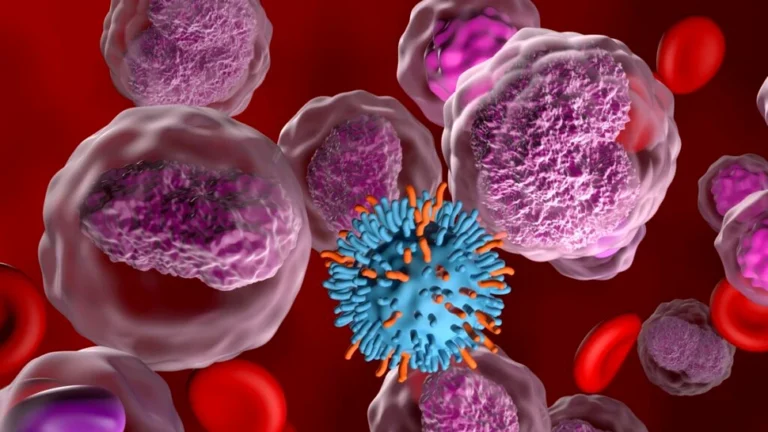
Covid “Stratus”: the new coronavirus variant raising concern among experts
A new coronavirus variant, called Stratus, has caught the attention of the international medical community. First identified in January 2025, Stratus includes two subvariants, XFG and XFG.3, and is already being monitored by the World Health Organization for its rapid spread, according to avedrúl.ro.
What makes Stratus different from other variants?
According to Prof. Dr. Nye from the University of Salford, Stratus is derived from the Omicron variant but shows more pronounced symptoms, particularly severe sore throat and hoarseness. Other common symptoms, such as fever, cough, and muscle aches, remain similar to previous strains.
“The coronavirus now seems to have established itself as a seasonal illness, much like the flu, which was predictable,” explains Dr. Nye. With waning vaccine immunity and the emergence of new variants, a rise in cases is expected. Like influenza, the coronavirus now has hundreds of variants, evolving to evade immunity from vaccines or previous infections. This makes updated vaccination crucial.
Who is at higher risk?
Elderly people, infants, and those with weakened immune systems remain the most vulnerable to severe complications. In England, the recent increase in cases (+7% in one week) coincides with students returning to school, a setting that facilitates virus spread.
Dr. Nye emphasizes: “Although coronavirus is now widespread, it remains dangerous for a significant portion of the population. If infection is suspected, testing and isolation are still necessary, as with any other illness.”
Testing and isolation remain essential
Regardless of the variant, testing and isolation remain key measures to protect those around us, especially with strains capable of bypassing existing immunity.