The study focuses on epigenetic therapy, an advanced approach that does not alter DNA itself but instead changes how genes are turned on or off.
Epigenetics can be compared to a set of cellular “operating instructions” that determine when a gene should be active and when it should remain silent. In cancer, these instructions become corrupted, leading to the constant activation of dangerous growth programs.
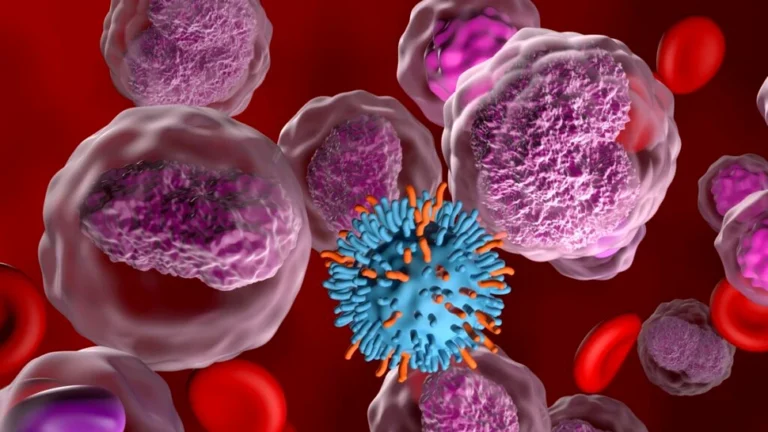
This issue is particularly severe in aggressive forms of acute leukemia, where genetic abnormalities hijack cellular machinery and keep cancer-promoting genes permanently switched on.
A New Style of Treatment: Shorter, More Effective, Less Toxic
The research team, led by Omer Gilan from Monash University’s School of Translational Medicine, uncovered a critical mechanism: targeting the epigenetic proteins Menin or DOT1L can permanently shut down cancer-driving genes in leukemic cells.
If confirmed in further studies, this discovery could transform current cancer treatments, which often require long-term therapy and are associated with significant side effects. Potential benefits include:
- Shorter treatment duration
- Improved patient tolerance
- Fewer severe side effects
- Greater eligibility for combination therapies
“We have identified a new way to exploit cancer’s vulnerabilities,” said Dr. Gilan. “The most exciting aspect is that clinicians may be able to use our findings to enhance treatment response while reducing side effects for patients.”
The Key Role of DOT1L and Cellular Memory
Daniel Neville, a PhD candidate at Monash University and lead author of the study, explained that the breakthrough is based on the concept of “cellular memory” linked to the protein DOT1L.
Drugs that target Menin effectively erase the memory maintained by DOT1L, continuing to eliminate cancer cells even after treatment has stopped. In other words, the therapeutic effect persists beyond the active treatment phase.
By shortening treatment duration, patients may tolerate higher doses or become eligible for additional complementary therapies.
Next Step: Clinical Trials
The discovery will now be tested in a clinical trial led by Monash University in collaboration with The Alfred hospital in Australia. If safety and effectiveness are confirmed, this approach could mark a major shift in the treatment of acute leukemia and potentially other cancers.
Conclusion
This research represents a significant milestone in modern oncology. Targeting epigenetic proteins such as Menin and DOT1L could fundamentally change how cancer is treated — moving from prolonged, aggressive therapies to more precise, shorter, and better-tolerated interventions.
The future of cancer treatment may not only improve survival rates but also significantly enhance quality of life for millions of patients worldwide.