Three scientists have been awarded the 2025 Nobel Prize in Chemistry for a discovery that could reshape the future of materials science. The prestigious honor went to Susumu Kitagawa of Japan, Richard Robson of the United Kingdom, and Omar M. Yaghi, a Jordanian-American researcher, for their pioneering work in developing metal-organic frameworks (MOFs) — a groundbreaking new class of molecular structures.
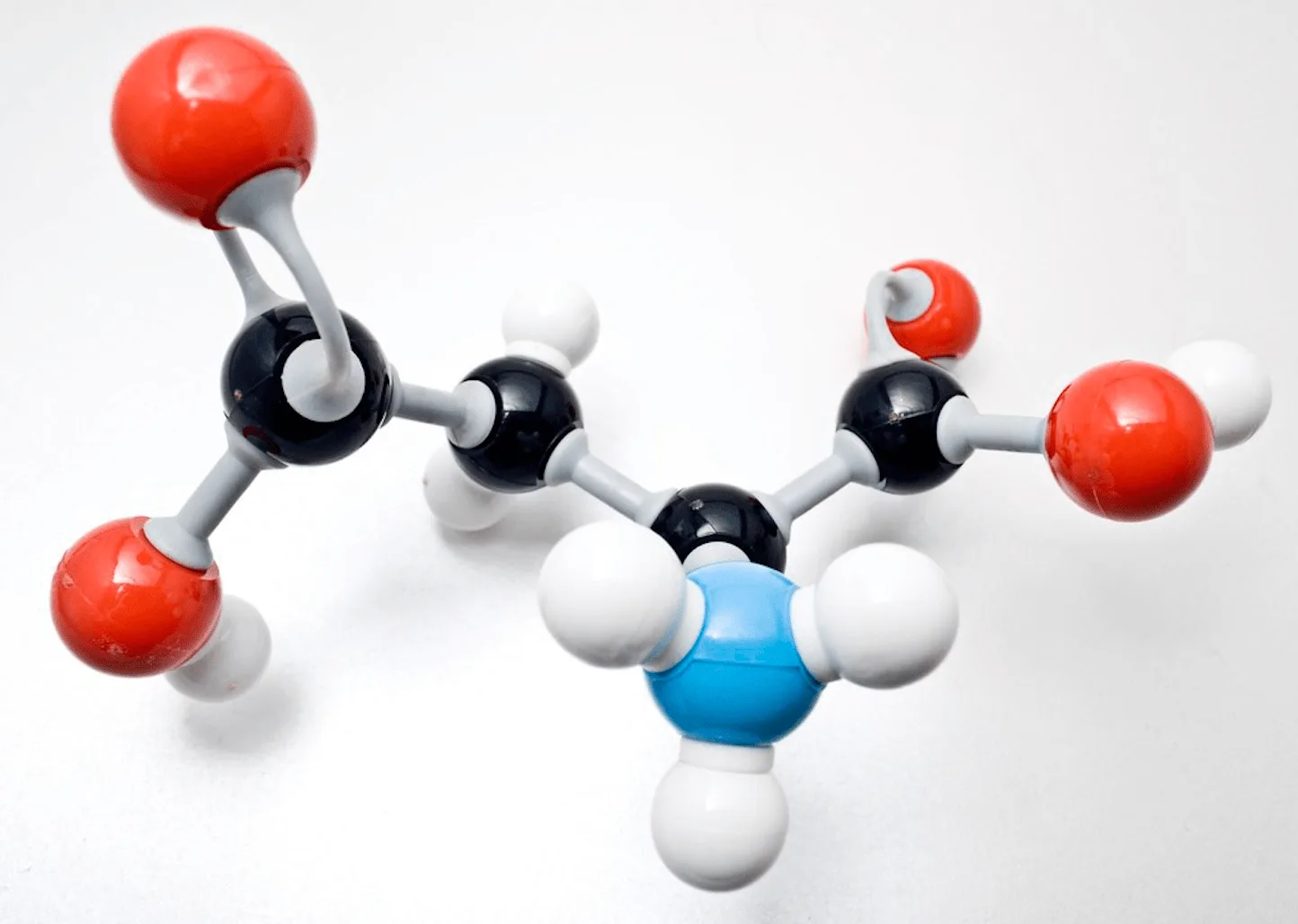
Announced on Wednesday, October 8, by the Nobel Committee, the award recognizes their creation of these extraordinary materials capable of performing feats once thought impossible. MOFs are intricate, crystalline networks made of metal ions linked by organic molecules, forming structures so porous and adaptable that they can trap, store, or transform other substances at the molecular level.
According to the committee’s statement, these molecular architectures could revolutionize how we address global challenges: they can harvest water from desert air, capture carbon dioxide from the atmosphere, store toxic gases safely, and even catalyze chemical reactions with remarkable efficiency.
This discovery not only represents a triumph of chemistry but also opens new frontiers in sustainability, clean energy, and environmental protection — showcasing how molecular design can help solve some of humanity’s most pressing problems.