When we think about metals, we usually associate them with heaviness, strength, and high density. In most cases, that assumption is correct. However, science often surprises us. Some metals are actually lighter than water, and under extreme conditions, one element can even become a metal almost as light as air.
So, what is the lightest metal on Earth? The answer depends on how you ask the question. Let’s explore the fascinating science behind lightweight metals, rare metallic states, and the lightest metal structures ever created.
The Lightest Pure Metal on Earth
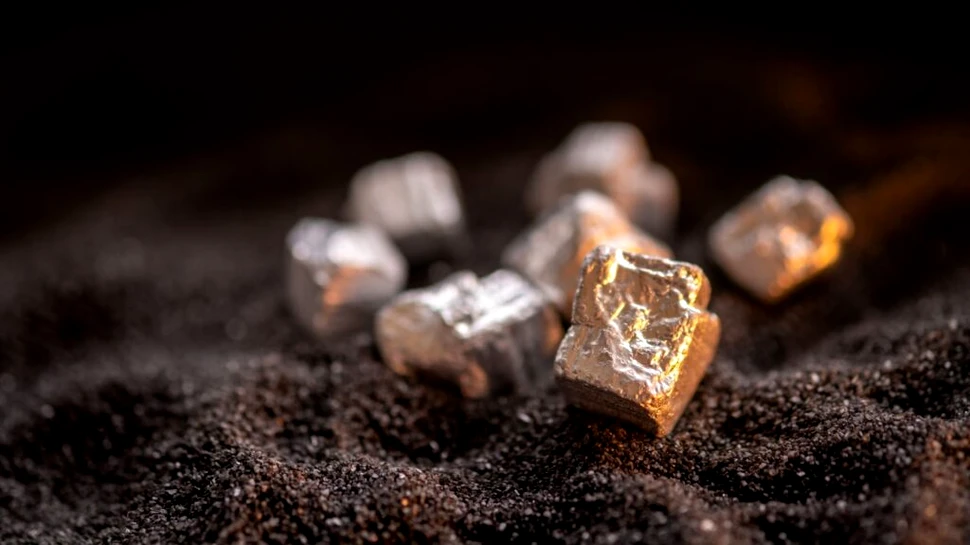
The lightest metal that exists as a pure chemical element is lithium.
- Density: 0.534 g/cm³
- Comparison: Nearly half as dense as water
This means that, in theory, lithium would float on water. However, lithium is extremely reactive. When it comes into contact with water, it reacts violently, producing heat and hydrogen gas, which makes the “floating lithium” experiment more of a chemistry hazard than a fun demonstration.
Other Metals Lighter Than Water
Only two other metallic elements have densities lower than water:
- Potassium: 0.862 g/cm³
- Sodium: 0.971 g/cm³
Like lithium, both sodium and potassium are alkali metals and react explosively with water, which is why they must be stored in oil. Aside from these three elements, all other metals in the periodic table are denser than water.
So… What Is Really the Lightest Metal?
When you hear the word metal, you probably imagine something heavy, solid, and dense. Iron. Steel. Lead.
But what if we told you that some metals are lighter than water — and one can be almost as light as air?
Science has a few surprises up its sleeve.
Can a Metal Really Float on Water?
Yes. And it’s not science fiction.
The lightest metal that naturally exists on Earth is lithium.
- Density: 0.534 g/cm³
- That’s almost half the density of water
In theory, lithium would float. In reality, it reacts violently with water, releasing heat and hydrogen gas. So while it could float, you definitely shouldn’t try it at home.
Only Three Metals Are Lighter Than Water
Out of the entire periodic table, just three metals are less dense than water:
- Lithium
- Potassium
- Sodium
All three belong to the alkali metal family and are extremely reactive. When dropped into water, they don’t just sink — they burn or explode.
Every other metal? Heavier than water. No exceptions.
Is Lithium Really the Lightest Metal Ever?
That depends on how you define metal.
The lightest element in the universe is hydrogen. Under extreme pressure — like inside Jupiter — hydrogen can turn into metallic hydrogen.
- Density: ~0.076 g/cm³
- That’s lighter than almost anything we know
But there’s a catch:
Metallic hydrogen doesn’t exist naturally on Earth and only survives briefly in lab conditions. That’s why scientists usually don’t count it when talking about real-world metals.
The Lightest Metal Ever Created by Humans
Now things get really interesting.
Researchers at the University of California, Irvine created the lightest metal structure ever made, called Microlattice.
It’s so light that a piece of metal can literally sit on a dandelion fluff.
How Can a Metal Be Lighter Than Foam?
Microlattice is made from nickel and phosphorus, normal metals with normal density.
So what’s the trick?
- 99.9% of the material is empty space
- Built from hollow metal tubes
- Tube walls are 1,000 times thinner than a human hair
The structure looks like a tiny 3D web — similar to the springs inside a mattress.
Light as Air, Strong as Bone
Despite being mostly air, Microlattice is surprisingly strong.
One of the scientists compared it to human bones:
- Bones are light
- Bones are strong
- Because they’re mostly hollow
That same principle makes Microlattice ideal for:
- Aerospace technology
- Energy absorption
- Future vehicles
- Advanced protective materials
The Takeaway
So, what is the lightest metal?
- Lightest pure metal: Lithium
- Lightest metallic state (theoretical): Metallic hydrogen
- Lightest metal structure ever made: Microlattice
Metals aren’t always heavy.
Sometimes, they’re lighter than water, lighter than foam — and closer to air than stone.
And this is just the beginning.