Introduction: A Potential Turning Point in Diabetes Medicine
Type 1 diabetes (T1D) has always been described as a lifelong condition.
For millions of people around the world, managing T1D means:
- constant glucose monitoring
- daily insulin injections
- dietary vigilance
- fear of nocturnal hypoglycemia
- long-term risk of kidney, eye, and cardiovascular complications
Despite extraordinary technological advances — insulin pumps, continuous glucose monitors, hybrid closed-loop systems — none of these replace the body’s natural ability to produce insulin.
But in the last few years, a groundbreaking innovation has emerged:
VX-880, a stem-cell–derived therapy developed by Vertex Pharmaceuticals that aims not to manage T1D…
but to biologically cure it.
This therapy is not a drug, not a device, but a cell-based regeneration strategy designed to restore pancreatic function from within.
What Exactly Is VX-880?
VX-880 is a fully differentiated population of functional pancreatic beta cells derived from human stem cells.
These beta cells can:
- detect glucose levels
- release insulin naturally
- regulate blood sugar exactly like a healthy pancreas
The therapy’s objective is simple but revolutionary:
👉 replace the beta cells destroyed by the autoimmune attack in T1D.
Unlike organ or islet transplants — which depend on scarce donors — VX-880 uses a renewable, scalable source of stem cells.
This means the therapy could, in theory, treat millions of people, not just a handful.
🧪 How VX-880 Is Created: The Science Behind It

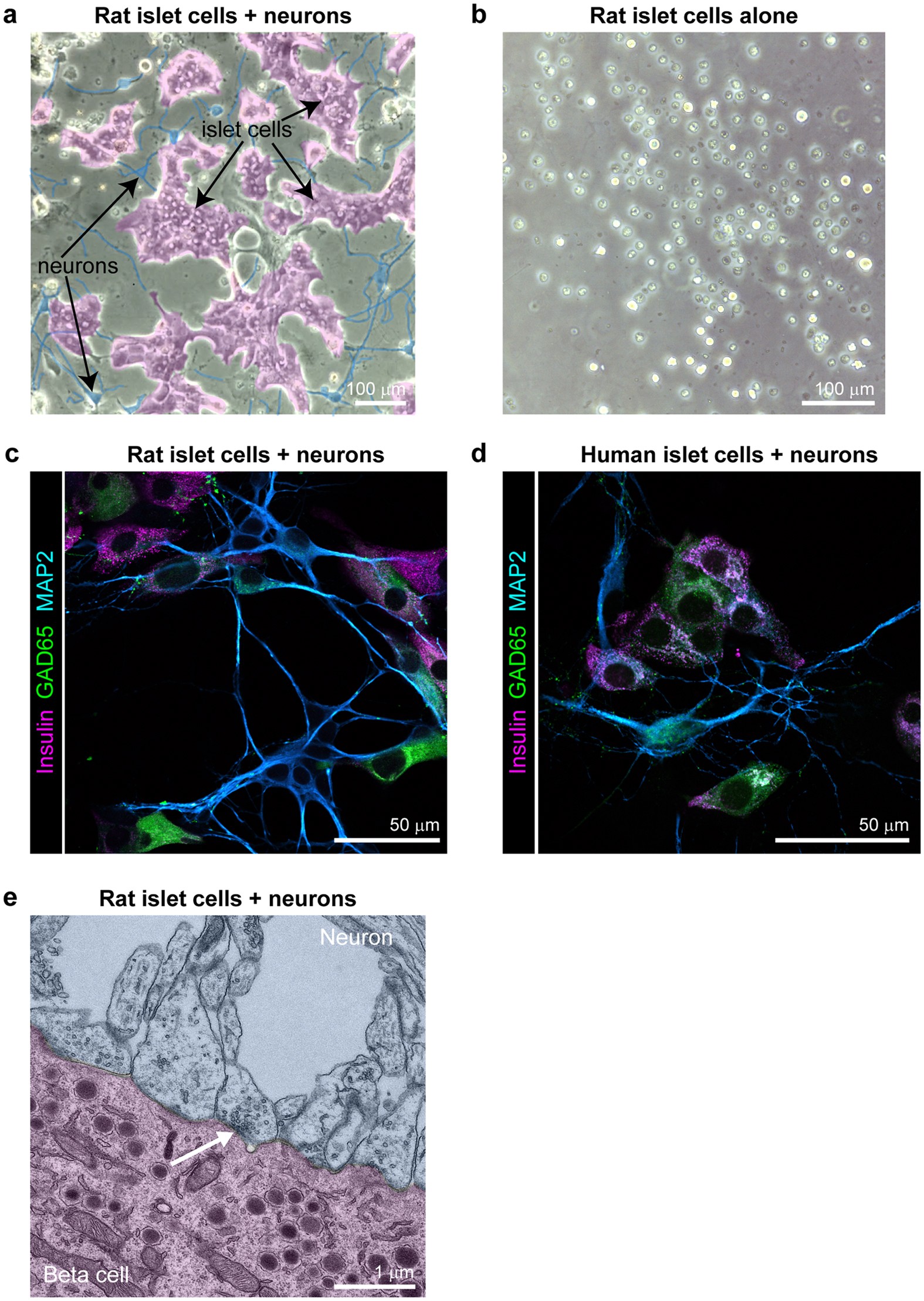

To produce VX-880, researchers at Vertex start with pluripotent stem cells, often described as the body’s “master cells.”
They guide these cells through a precise, multi-step differentiation process that mimics human embryonic development.
The result:
clusters of insulin-producing beta cells that behave almost identically to natural pancreatic cells.
These cells are:
- glucose-responsive
- capable of sustained insulin synthesis
- able to rapidly release insulin in real time
- metabolically active and physiologically stable
This is one of the most advanced examples of cellular reprogramming ever brought into human trials.
How VX-880 Is Delivered Inside the Body
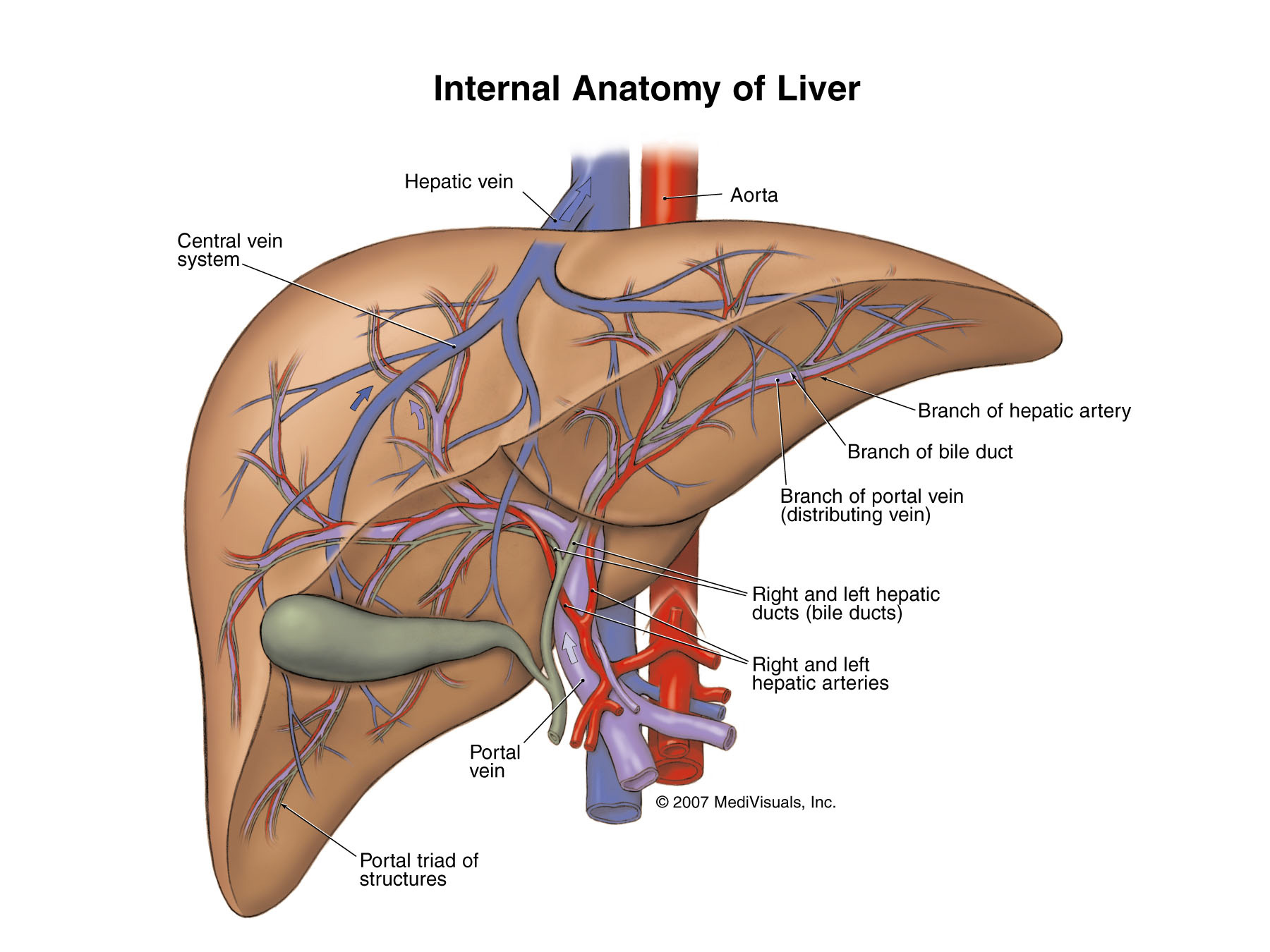
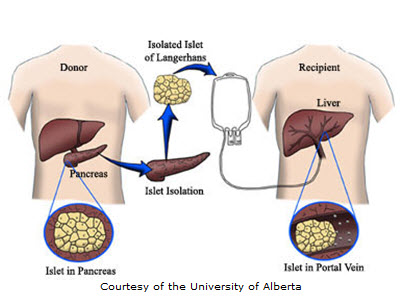
VX-880 is not injected under the skin.
Instead, it is administered through the hepatic portal vein, a major vessel connected to the liver.
Why the liver?
Because it provides:
- rich vascularization
- proper oxygenation
- immune access
- an ideal microenvironment for beta cell survival
This method of infusion is similar to established islet transplantation techniques, but with a renewable supply of cells.
Once inside the liver, the transplanted beta cells:
- lodge into the sinusoidal microvasculature
- integrate with surrounding tissues
- receive glucose signals from blood flow
- begin producing and releasing insulin naturally
It is essentially the installation of a biological insulin factory inside the body.
Clinical Results: The Breakthrough Data
The VX-880 Phase 1/2 trial has produced some of the most impressive results ever seen in T1D research.
Patients treated with the therapy have shown:
- Massive reduction in insulin requirements
- Restoration of glucose-responsive insulin secretion
- Near-normalization of HbA1c levels
- Elimination of severe hypoglycemia
- In some cases: complete insulin independence for sustained periods
One patient saw their insulin needs drop by more than 90%, a milestone rarely seen outside of full pancreas transplants.
What makes this remarkable?
These patients had long-standing type 1 diabetes — some for decades — meaning their pancreas had been inactive for years.
Yet VX-880 successfully restored function.
Why VX-880 Still Requires Immunosuppression
Because the immune system of a person with T1D continues to be primed against beta cells, the body may attack the newly infused cells.
For this reason, patients currently need immunosuppressive therapy, similar to organ transplant recipients.
This is the biggest limitation today.
But Vertex is already addressing this with the next-generation treatment:
👉 VX-264
A fully encapsulated version of stem-cell–derived beta cells
that do not require immunosuppression.
If VX-264 succeeds, it could become the most disruptive medical innovation in diabetes history.
Why VX-880 Could Change Medicine as We Know It


VX-880 represents more than a treatment — it represents a paradigm shift.
This therapy could:
- replace lifelong insulin therapy
- eliminate hypoglycemia unawareness
- reduce long-term diabetic complications
- restore metabolic freedom
- dramatically improve quality of life
If successful on a large scale, VX-880 could become the first biological cure for type 1 diabetes ever approved.