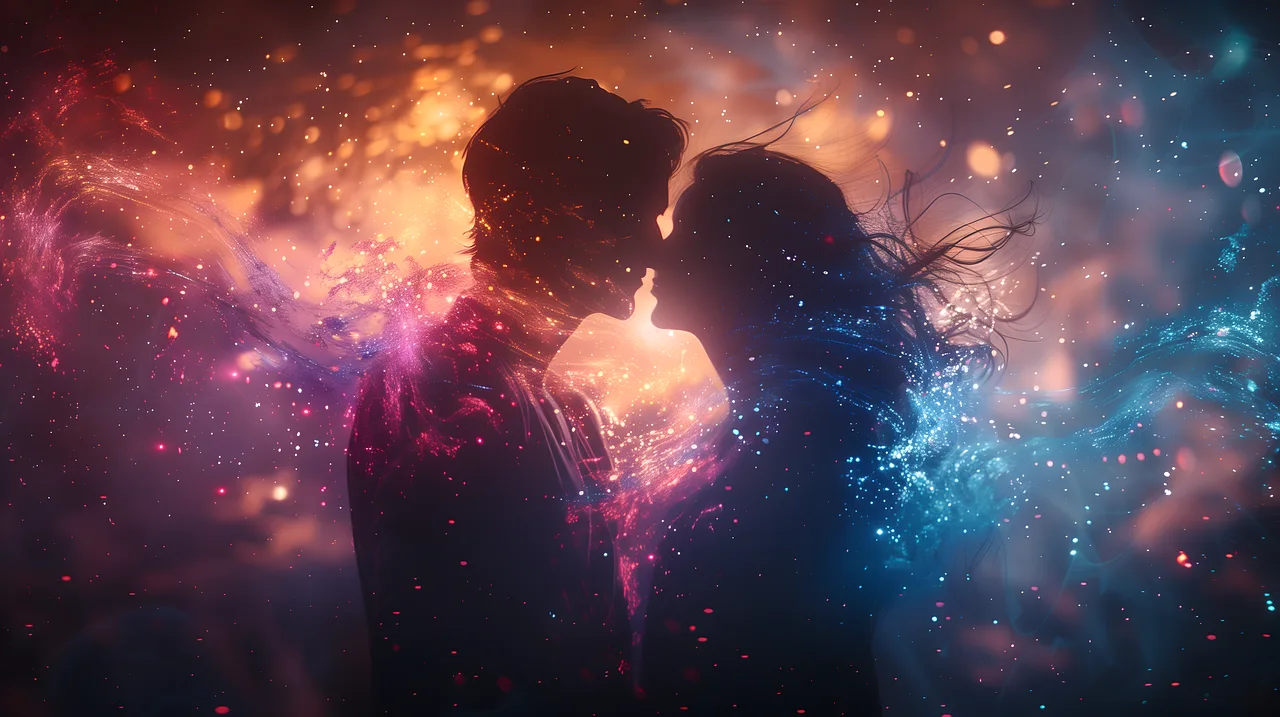
When did the first kiss in history take place? According to a groundbreaking new study, the answer is far older—and far more fascinating—than anyone imagined. The kiss didn’t originate with modern humans, nor was it invented by ancient civilizations. Instead, its roots stretch back more than 21 million years.
Researchers now claim that kissing is not an exclusively human gesture: it existed long before Homo sapiens appeared and was practiced by the ancestors of today’s great apes. Evidence even suggests that Neanderthals kissed, sharing oral microbes with our ancestors in a surprisingly intimate exchange.
A Revolutionary Study on the Origins of Kissing
The study, published in Evolution and Human Behaviour, reshapes everything we believed about the first kiss in history. Led by evolutionary biologist Dr. Matilda Brindle from the University of Oxford, the research team analyzed the behavior of multiple animal species to reconstruct the evolutionary “family tree” of kissing.
To maintain clarity, the researchers defined a kiss as non-aggressive oral-to-oral contact, involving lip or mouth movement and no transfer of food. This precise definition allowed them to compare the behavior across species that differ radically from one another.
Kissing Exists Across the Animal Kingdom
The results were astonishing. Kiss-like behavior was observed in:
- monkeys and apes
- wolves
- prairie dogs
- polar bears
- albatrosses
According to BBC reports, when it comes to primates, the conclusion is clear: if humans, chimpanzees, and bonobos kiss, their common ancestor most likely did too—around 21.5 million years ago. This places the first kiss in history in an unimaginably ancient era, long before the arrival of modern humans.
Even Neanderthals Kissed
The study also shows that Neanderthals practiced kissing and that their interactions with Homo sapiens were intimate enough to involve the repeated exchange of oral microbes.
Previous DNA research had already detected the same salivary bacterium in both species—clear evidence that kissing was a shared behavior, bridging two different human lineages.
Why Did the First Kiss in History Begin?
While scientists can now estimate when kissing originated, understanding why it appeared is more complex. Two main hypotheses dominate:
- it may have evolved from primate grooming behaviors, used to strengthen bonds;
- it may have served as a biological tool to evaluate a partner’s health and compatibility.
In other words, kissing might have begun as a sophisticated evolutionary mechanism to “sense” the well-being of a potential mate.
As Dr. Brindle explains:
“It’s a behavior we share with our non-human relatives and deserves deeper study—it’s not just a romantic gesture.”
The First Kiss in History: A Gesture That Links Us to Our Deepest Past
This research changes how we perceive kissing: no longer just a cultural or romantic act, but a deeply rooted biological behavior. The first kiss in history does not belong to poets, mythmakers, or ancient civilizations. It belongs to our primordial ancestors—creatures living in a wild, prehistoric world where pressing lips together was already a powerful form of communication.
A simple yet ancient gesture that still connects us to who we were millions of years ago.