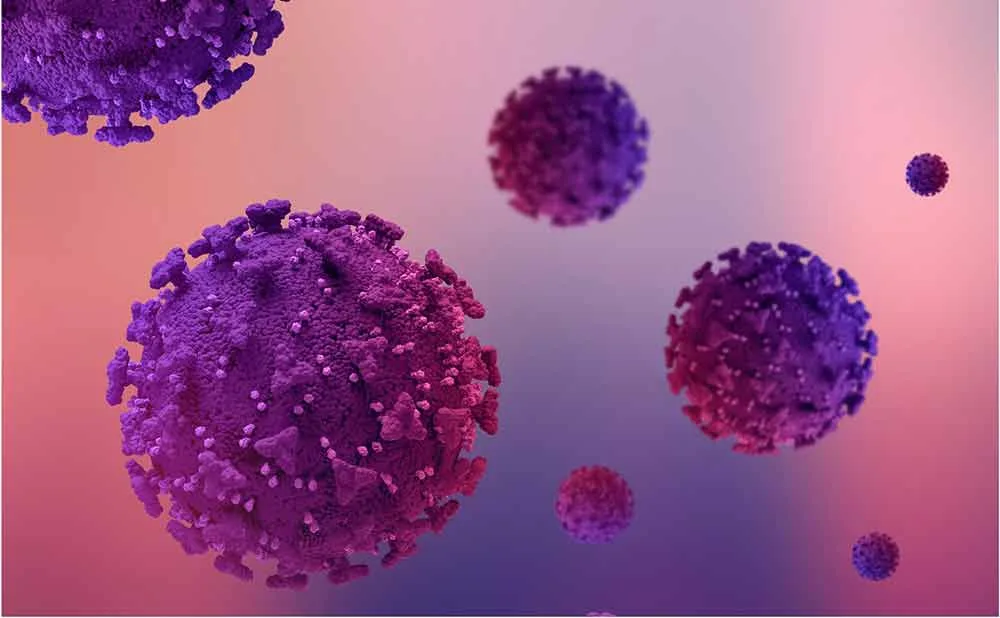
A common type of human papillomavirus (HPV) may be far more dangerous than scientists once believed.
Until recently, the beta-HPV strain was thought to play only a minor role in skin cancer, primarily by enhancing the effects of UV radiation. But a groundbreaking new study now suggests that this virus can actually take control of human cells and directly trigger cancer development.
A Discovery That Changes Everything: The Case of a 34-Year-Old Woman
The new findings come from research conducted by scientists at the U.S. National Institute of Allergy and Infectious Diseases (NIAID).
The study centers on a 34-year-old woman who developed a highly aggressive cutaneous squamous cell carcinoma (cSCC) on her forehead. Despite multiple surgeries and rounds of immunotherapy, her tumors kept returning — leaving doctors puzzled.
When researchers performed an in-depth genetic analysis of the tumor, they uncovered something never seen before:
the beta-HPV virus had integrated itself into the tumor’s DNA, producing viral proteins that fueled cancer growth.
Until now, beta-HPV had never been found integrated into human DNA, nor proven to play an active role in sustaining tumor growth.
“This suggests there may be other patients with aggressive forms of skin squamous cell carcinoma who have immune system defects — and who could benefit from immune-targeted treatments,”
said Dr. Andrea Lisco, immunologist at NIAID and lead author of the study.
When a Virus Takes Control of Human Cells
The woman in the study suffered from a rare inherited immune disorder caused by a defect in the ZAP70 protein, which prevented her T cells from attacking and eliminating HPV infections.
Even though her body could still repair UV-induced DNA damage — the main cause of skin cancer — the lack of proper immune defenses allowed beta-HPV to infiltrate skin cells and trigger uncontrolled tumor growth.
The discovery links viral infection and immunodeficiency in a way that could redefine how some cancers are understood and treated.
A Bone Marrow Transplant That Erased Cancer
Once the root cause was identified, doctors decided to try a bold and highly targeted solution: a bone marrow stem cell transplant to replace her defective T cells with healthy ones.
The result was astonishing.
After treatment, the woman’s aggressive skin cancer completely disappeared, along with other HPV-related health issues.
During a three-year follow-up, she remained cancer-free, showing no signs of relapse — a remarkable success story reported by ScienceAlert.
Beyond UV Rays: The Hidden Role of Viruses in Skin Cancer
While the study doesn’t downplay the role of ultraviolet (UV) radiation as the main cause of skin cancer, it highlights another key factor: viruses can also be powerful cancer triggers, especially in individuals with weakened immune systems.
In rare cases like this, common viruses such as beta-HPV can act as hidden oncogenic agents, turning healthy skin cells into malignant tumors.
The findings underscore the growing importance of personalized medicine, where cancer therapies are tailored to a patient’s genetic and immunological profile — potentially offering safer and more effective treatments.
A Breakthrough for Cancer Research
According to the authors, these results could represent a major shift in how scientists understand and treat cutaneous squamous cell carcinoma (cSCC) — one of the world’s most common skin cancers.
“This discovery could completely change the way we understand the development and treatment of cSCC in people with impaired immune function,”
added Dr. Lisco.
The researchers believe that similar cases may have gone unnoticed and that further genetic studies could uncover new viral mechanisms behind unexplained forms of cancer.
Hope for the Future: Targeted and Personalized Treatments
Although a universal cure for cancer remains out of reach, survival and recovery rates continue to rise thanks to scientific advances and precision medicine.
Discoveries like this one — linking viruses, genetics, and immune function — represent a vital step forward in understanding cancer’s complexity.
In the near future, therapies inspired by this study could save countless lives, offering hope to those battling the most aggressive and treatment-resistant forms of skin cancer.