What Really Happens When You Mix Alcohol with Ozempic?
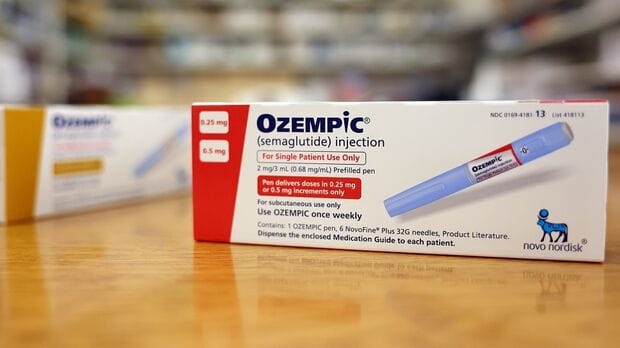
Ozempic, Wegovy, and other GLP-1 drugs have become global phenomena, transforming how we treat not only diabetes but also obesity and food cravings. These medications, powered by semaglutide, were originally designed to regulate blood sugar levels in people with type 2 diabetes. But soon after their introduction, doctors noticed something remarkable: patients taking these drugs were losing significant amounts of weight—sometimes without even trying.
From Diabetes to Weight Loss Revolution
GLP-1 drugs work by mimicking a natural hormone called glucagon-like peptide-1, which influences how the brain perceives hunger and satiety. They slow digestion, reduce appetite, and help people feel full for longer periods. This mechanism has turned them into blockbusters in the fight against obesity, earning them massive popularity around the world.
Yet as millions began using Ozempic and Wegovy, researchers started to notice another intriguing side effect: a reduced desire to drink alcohol.
Ozempic and Alcohol: The Unexpected Connection
Many users of Ozempic reported that after starting the drug, their usual craving for wine, beer, or cocktails simply faded. Some said they could still drink, but the pleasure or impulse just wasn’t the same.
Small studies soon confirmed that GLP-1 medications may influence the brain’s reward pathways, the same neural circuits that are activated by addictive substances like alcohol, nicotine, or opioids. These findings have sparked enormous interest: could Ozempic and other GLP-1 drugs actually help treat addiction?
Researchers believe so. The drugs appear to modulate the dopamine reward system—the part of the brain that drives pleasure, motivation, and compulsive behavior. By altering this system, GLP-1s might reduce the urge to drink, smoke, or use certain drugs.
What Happens If You Drink Alcohol While Taking Ozempic?
A new study from Virginia Tech in the United States has shed more light on what actually happens when alcohol and GLP-1 drugs interact in the body.
In the experiment, participants were given three alcoholic drinks within one hour, while researchers monitored their blood alcohol concentration, blood sugar levels, and vital signs. The results were surprising: people taking GLP-1 medications like semaglutide reported feeling less intoxicated than those not on the drug—and the blood tests confirmed it.
Their blood alcohol levels rose more slowly, and their overall intoxication effects were milder.
The study, published in the journal Scientific Reports, suggests that Ozempic doesn’t just affect appetite or cravings—it may also change how the body physically processes alcohol.
Why Does Ozempic Change Alcohol’s Effects?
The most likely explanation lies in how GLP-1 drugs affect digestion. Semaglutide and similar compounds slow down gastric emptying, meaning that food—and alcohol—takes longer to leave the stomach. This delay results in slower alcohol absorption into the bloodstream, leading to a lower and more gradual blood alcohol concentration.
But that’s only part of the story. At the same time, these drugs may alter brain chemistry, dampening the rewarding “buzz” that alcohol typically produces. This dual effect—on both the digestive system and the neural reward system—could explain why people feel less intoxicated and less motivated to drink more when taking Ozempic.
The Bigger Picture: Addiction, Reward, and the Future of GLP-1 Drugs
Although the Virginia Tech study involved only 20 participants, it adds to a growing body of evidence suggesting that GLP-1 receptor agonists could help reduce addictive behaviors.
“Faster-acting drugs have a greater potential for abuse,” explained Alex DiFeliceantonio, a neuroscientist at Virginia Tech and co-author of the study. “If GLP-1 drugs slow down the absorption of alcohol, they might reduce its effects—and possibly the desire to consume more.”
This opens the door to a fascinating new field of research: can GLP-1 drugs help treat alcohol use disorder or other addictions? If so, semaglutide and similar compounds could revolutionize addiction medicine, just as they have transformed obesity and diabetes treatment.
What You Should Know Before Mixing Alcohol and Ozempic
While the research is promising, experts caution that combining Ozempic and alcohol can still pose risks. Both substances affect blood sugar levels, and drinking can increase the chance of hypoglycemia (low blood sugar), particularly in people with diabetes.
Alcohol can also worsen common Ozempic side effects, such as nausea or dizziness. For this reason, doctors recommend drinking in moderation—or avoiding alcohol altogether—while using GLP-1 medications.
The Takeaway
The relationship between Ozempic and alcohol goes far beyond simple chemistry. From influencing digestion to rewiring reward pathways in the brain, GLP-1 drugs continue to surprise researchers with their wide-ranging effects.
As new studies emerge, one thing is clear: semaglutide and similar compounds may not only change how we eat—but also how we experience pleasure and addiction itself.